
Introduction
Homeowners who research basement waterproofing often feel surprised by polarized online reviews. One company may receive glowing praise from some customers and sharp criticism from others — sometimes for similar services.
This page explains why basement waterproofing reviews often skew negative. It also clarifies what common complaints really mean. Finally, it shows homeowners how to evaluate waterproofing companies more fairly and accurately.
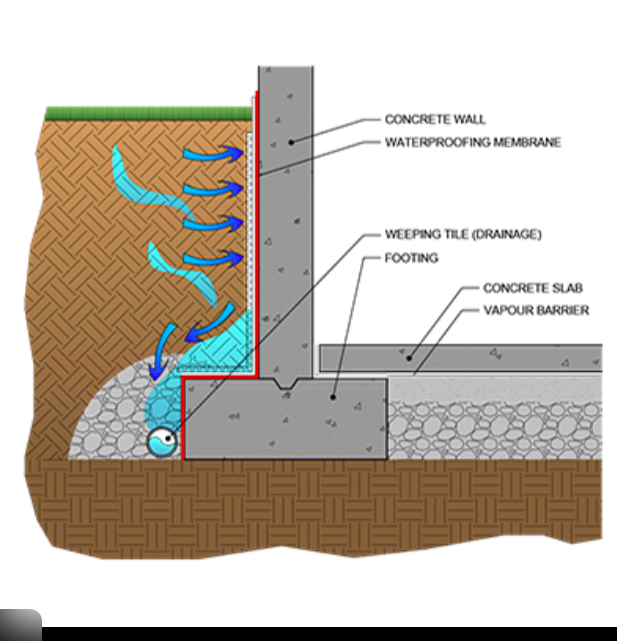
Why Negative Reviews Are More Common in Basement Waterproofing
Basement waterproofing does not function like a cosmetic upgrade. Instead, it addresses structural and environmental conditions that change over time. As a result, reviews in this industry reflect factors that rarely appear in other home services.
Several factors influence review patterns:
- Water problems shift with seasons and weather
- Results develop gradually, not instantly
- Systems interact with soil and groundwater
- Technicians sometimes adjust systems after installation
- Stress rises quickly when water enters a home
Because homeowners feel stress during water events, they post reviews more often when frustrated. Meanwhile, satisfied customers rarely post updates when systems work quietly.
Why Waterproofing Problems Aren’t Always “Fixed” in One Visit
Waterproofing systems respond to changing environmental conditions. For example:
- Water tables rise and fall
- Heavy rain alters drainage patterns
- Soil expands and contracts
- Foundations settle over time
In some cases, technicians return to fine-tune drainage paths or relieve pressure points. These follow-ups improve performance. However, some homeowners misinterpret adjustments as failures.
The Misunderstanding Around Follow-Up Visits
Many negative reviews mention multiple visits. However, multiple visits often signal system calibration rather than poor workmanship.
From a technical standpoint, follow-ups may mean:
- The system identified new water pathways
- Technicians adjusted flow direction
- Crews redistributed hydrostatic pressure safely
Follow-up service often reflects responsible water management. It rarely indicates neglect.
Why Dust, Noise, and Disruption Appear in Reviews
Basement waterproofing requires physical construction. Crews cut concrete, trench along walls, and install sub-slab drainage systems.
These steps create noise and temporary disruption. Although crews use containment methods, some dust remains unavoidable. Consequently, some reviews criticize inconvenience rather than system performance.
The Role of Subcontractors in Home Services
Many home improvement companies rely on subcontractors during busy seasons. In addition, companies may hire specialized crews for specific technical tasks.
Reputable contractors maintain oversight, enforce standards, and honor warranties regardless of crew structure. Problems usually stem from poor supervision or unclear
Why Sales Pressure Is Often Mentioned in Reviews
Water intrusion creates urgency. Homeowners worry about mold, structural damage, and property loss. As a result, sales discussions can feel intense.
Even when representatives present accurate information, stressed homeowners may later interpret urgency as pressure.
How Homeowners Should Evaluate Waterproofing Reviews Fairly
Instead of focusing on isolated complaints, homeowners should look for patterns such as:
- Does the company respond to negative feedback?
- Are follow-up issues addressed or ignored?
- Do reviews mention long-term outcomes?
- Is warranty service discussed?
- Are complaints tied to expectations rather than results?
Balanced evaluation means understanding context, not just counting stars.
When Reviews Become More Positive Over Time
Interestingly, many homeowners update or revise opinions months or years later, once systems have proven effective.
Long-term performance often matters more than first impressions — but delayed satisfaction rarely shows up in online reviews.
A Note on Company-Specific Context
Some companies, including long-established regional providers like Basement Waterproofing Specialists, have addressed common industry complaints by focusing on:
- System-based solutions rather than surface fixes
- Warranty-backed service
- Follow-up optimization when needed
For readers interested in how specific complaints are handled in practice, a more detailed explanation can be found here:
👉 Understanding Basement Waterproofing Reviews and Common Complaints
Final Thoughts
Basement waterproofing reviews are rarely simple because water problems are rarely simple.
Understanding why complaints occur — and how they are resolved — allows homeowners to make better decisions and avoid unfair conclusions based on incomplete information.