Sump Pump Installation: How It Works, When You Need One, and What PA Homeowners Should Know
Basement water problems are incredibly common in Pennsylvania homes, especially in areas with heavy rainfall, clay soils, older foundations, and fluctuating groundwater levels. Fortunately, one of the most reliable ways to control that water is through proper sump pump installation.
However, not all sump pumps — or installations — are created equal.
This guide explains how sump pumps actually work, when they’re necessary, how they’re installed correctly, and why so many “quick installs” fail after the first major storm.
What Is a Sump Pump (and What Does It Actually Do)?
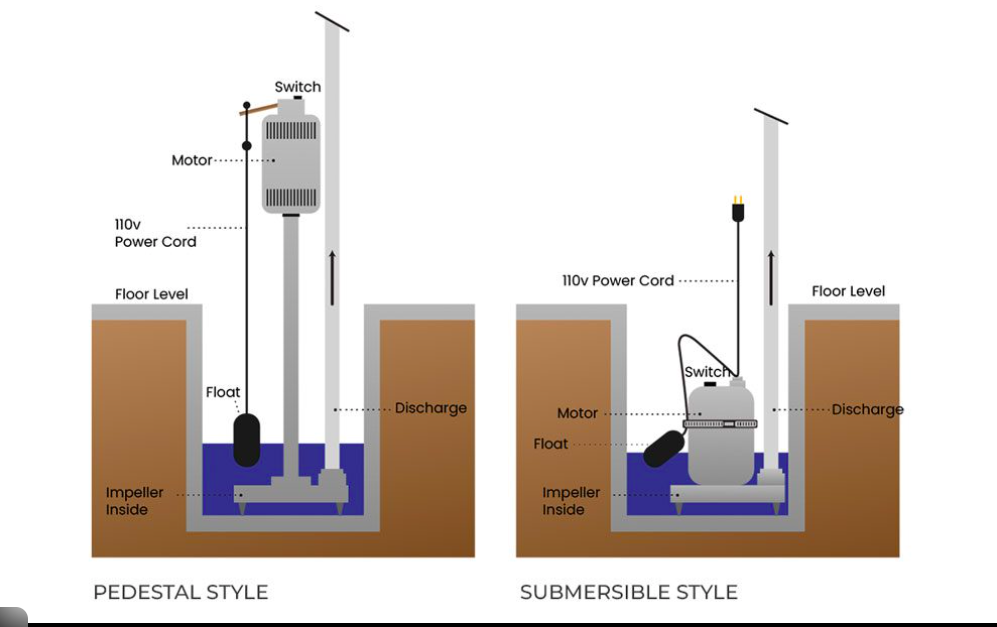
A sump pump is a mechanical system designed to collect groundwater beneath your basement floor and safely redirect it away from your home before it can rise high enough to cause flooding.
Specifically, it works by:
- Allowing groundwater to enter a sump pit
- Activating a pump when water reaches a certain level
- Discharging that water away from the foundation
As a result, this relieves hydrostatic pressure, which is the primary force that pushes water through foundation walls and floor joints.
Science note:
Groundwater pressure increases as soil becomes saturated. According to the United States Geological Survey, groundwater levels can rise rapidly after sustained rainfall — even if your basement has never flooded before.
Signs You Need a Sump Pump Installed (or Replaced)
Many homeowners assume they’ll only need a sump pump after a major flood. In reality, early warning signs often appear years earlier.
For example, common indicators:
- Water pooling where the wall meets the floor (cove joint)
- Damp or darkened basement walls
- Musty odors or persistent humidity
- Efflorescence (white, chalky residue on masonry)
- Past water intrusion during heavy storms
- A basement located below exterior grade
Additionally, in areas like Bethlehem, Royersford, Norristown, and the Lehigh Valley, homes near rivers, creeks, or sloped terrain are especially vulnerable.
How a Proper Sump Pump Installation Works (Step-by-Step)
1️⃣ Excavating the Sump Pit
A section of the basement floor is carefully opened and excavated to create a pit deep enough to intercept groundwater.
The pit must:
- Sit at the lowest point of the drainage system
- Be sized correctly (too small = constant cycling)
- Allow water to enter freely from below
2️⃣ Installing the Pump
The sump pump is placed inside the pit and connected to:
- A vertical discharge pipe
- A check valve (prevents water from flowing back)
- An electrical outlet (preferably GFCI)
Pump selection is critical:
- Horsepower
- Flow rate (GPM)
- Head pressure
- Cast iron vs plastic construction
3️⃣ Discharge Line Routing (This Is Where Many Installs Fail)
Water must be discharged:
- Away from the foundation
- On a slope that carries water downhill
- Far enough to prevent re-entry
Improper discharge is one of the leading causes of repeat basement flooding, even with a functioning pump.
4️⃣ Sealing & Testing
Once installed:
- The pit is sealed (reduces humidity and radon concerns)
- The system is tested under load
- The discharge is confirmed to flow correctly
Primary vs Backup Sump Pumps (Why One Is Rarely Enough)
Power outages often happen during storms — exactly when your sump pump is needed most.
That’s why many homeowners opt for:
- Battery backup systems
- Or dual-pump configurations
Engineering principle:
Redundancy dramatically reduces system failure risk. FEMA flood mitigation guidance frequently emphasizes backup drainage systems for below-grade spaces.
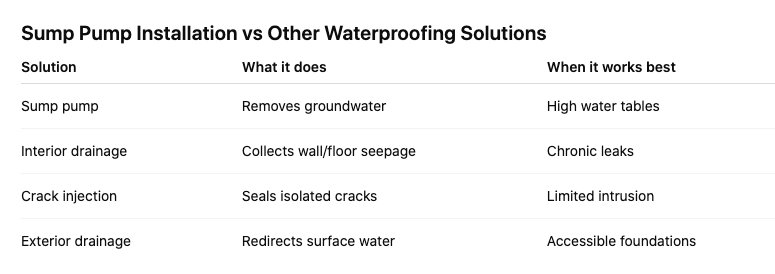
In many Pennsylvania homes, a sump pump is most effective when paired with an interior drainage system.
How Long Does a Sump Pump Last?
On average:
- 7–10 years for a primary pump
- Shorter lifespan if undersized or overworked
Regular testing and maintenance are essential — especially before storm season.
Common Sump Pump Installation Mistakes
❌ Undersized pump
❌ No backup system
❌ Improper discharge routing
❌ Missing check valve
❌ Pit installed too shallow
❌ Relying on a “hardware store” solution
These mistakes often lead to:
- Short cycling
- Pump burnout
- Repeat flooding
- False sense of security
Local Considerations for Pennsylvania Homes
Homes in eastern PA face unique challenges:
- Freeze–thaw cycles that stress discharge lines
- Older masonry foundations
- Dense soils that drain slowly
- Heavy spring and fall rainfall
A properly designed system accounts for local soil, slope, and weather patterns, not just basement size.
Frequently Asked Questions
Do all basements need a sump pump?
No — but basements below grade in high-water or poor-drainage areas often benefit from one, even if flooding hasn’t occurred yet.
Can a sump pump prevent mold?
Indirectly, yes. By controlling moisture, sump pumps reduce humidity — the primary driver of mold growth.
Is a sump pump loud?
Modern systems are relatively quiet. Excessive noise often indicates poor installation or a failing pump.
Should I install one before finishing my basement?
Absolutely. Installing a sump pump after finishing is far more disruptive and expensive.
Final Takeaway: Why Sump Pump Installation Is a Long-Term Investment
A properly installed sump pump isn’t just a reaction to flooding — it’s a preventive system that protects:
- Your foundation
- Your air quality
- Your finished space
- Your home’s long-term value
For homeowners in Pennsylvania, especially in areas with aging infrastructure and variable groundwater levels, sump pump installation is often one of the smartest waterproofing investments you can make.
To get your Fast, FREE Estimate on Sump Pump installation in NJ, PA, or DE – Click Here
About Us
We are Basement Waterproofing Specialists, a 4th generation, local, family, woman-owned business. We are not a huge chain, nor a national company. Our employees work and live in this area. We work and live in this area. This is why we’ve been voted Best Basement Waterproofer 11-straight years… because we care about the people of this community, and we always treat your home like it were the home of a family member.
We are based in Collegeville PA, just north of King of Prussia. However, we service all of New Jersey, including:
Hunterdon County
Edison
Newark
Glassboro
Long Branch and more…
Delaware including Newark, New Castle, Dover, Smyrna and more…
And Pennsylvania, including:
Allentown
Philadelphia
West Chester
Gettysburg
Harrisburg
Lancaster,
York and more..
We offer free estimates to home owners, and financing is available.
We don’t do a hard sell, nor do we use scare tactics. Why? We don’t need to. Our work speaks for itself. We have 4-generations of experience keeping homeowners just like you safe from basement flooding, mold, and foundation problems.
Need help, simply call us at 800-700-9171